Rendering & Plastering Peterborough
Master Roofing And Home Maintenance > Rendering & Plastering
Rendering & Plastering
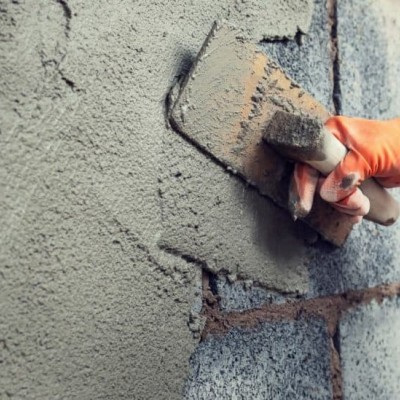
Master Roofing And Home Maintenance is your trusted partner for top-tier rendering and plastering services. Our skilled craftsmen are adept at providing impeccable finishes for both interior and exterior surfaces, ensuring lasting durability and aesthetic appeal. Whether you're seeking to revitalize your home's exterior or enhance the elegance of your interior spaces, our team is committed to delivering exceptional results tailored to your preferences and vision.
With Master Roofing And Home Maintenance, you can expect meticulous attention to detail and a dedication to excellence in every project we undertake. From traditional plastering techniques to modern rendering solutions, we offer a comprehensive range of services to meet your needs. Rest assured, your property is in capable hands, as we strive to exceed your expectations with superior craftsmanship that elevates the beauty and value of your home.
Why Your Walls Matter: Protecting and Perfecting Your Peterborough Home
People often confuse rendering and plastering, but while the trowel techniques are similar, they serve two entirely different purposes.
The Exterior Shield: Defending Against the Fenland Weather
Rendering is the application of a protective, cement or silicone-based coating to the exterior walls of your home. Think of your exterior brickwork like a sponge. Over decades of exposure to the Cambridgeshire weather, the mortar joints between the bricks recede, and the bricks themselves become porous. When heavy rain hits the wall, it soaks in. When that moisture freezes during a cold winter night, it expands, causing the surface of the brick to literally pop off (a process called spalling).
A high-quality render acts as a waterproof raincoat for your house. It seals the brickwork, instantly modernises the look of the property, and can even dramatically improve your home’s thermal insulation.
The Interior Canvas: Creating the Perfect Living Space
Plastering is the application of a smooth gypsum-based coating to your interior walls and ceilings. Interior plaster isn’t just about making a wall look nice for a coat of paint. It provides a vital airtight seal that improves soundproofing, adds a layer of fire resistance, and provides a hygienic, easy-to-clean surface. Whether you are building a new extension in Hampton or renovating a tired bedroom in Werrington, a glass-smooth plaster finish is the absolute foundation of high-end interior design.
Exterior Rendering: Upgrading Your Kerb Appeal
If you drive through Peterborough today, you will notice a massive shift in how homes look. Tired, grey pebble dash and cracked painted cement are out. Sleek, sharp, through-coloured renders are in.
Traditional Sand & Cement vs. Modern Silicone Render
If you are considering rendering your home in 2026, you generally have three main options. Understanding the difference is crucial to making a smart investment.
| Render Type | Pros | Cons | Best Suited For |
| Sand & Cement | Budget-friendly traditional method. Very hard and impact resistant. | Prone to cracking as the house naturally settles. Must be painted (and repainted every 5-10 years). | Tight budgets and patching old existing cement render. |
| Monocouche (Scratch Render) | Applied in one thick coat. Colour is mixed in (no painting needed). Breathable. | Can sometimes attract algae if not treated. Less flexible than silicone. | Fast application on modern blockwork extensions. |
| Silicone Render | The 2026 Gold Standard. Highly flexible (won’t crack), completely waterproof but highly breathable, self-cleaning (washes with the rain). | The most expensive material upfront. Requires specialized application techniques. | Total property transformations, older houses, and ultimate low maintenance.
|
At Master Roofing, while we can happily apply traditional sand and cement, we almost always recommend Silicone Render for full property upgrades. Because silicone is flexible, it expands and contracts with the Peterborough weather without cracking. Because the colour is baked into the material, you will literally never have to paint the outside of your house again.
Dealing with Peterborough’s Historic Brickwork
Peterborough is famous for the “Fletton Brick,” produced by the London Brick Company. Many older properties in our area are built with these dense, smooth bricks.
Fletton bricks are notoriously difficult to render over because they have a very low suction rate (meaning traditional cement struggles to grip onto them). If a cowboy builder tries to apply cheap sand and cement directly to a painted Fletton brick wall, it will fall off in sheets within a year. We combat this by using specialized, high-adhesion base coats and fibreglass reinforcement meshes that guarantee the new render bonds permanently to your home.
Interior Plastering: Smooth Finishes for Every Room
Inside the house, the needs are entirely different. Plastering is a highly skilled trade—often referred to as a “dark art”—because achieving a perfectly flat, mirror-smooth finish requires years of muscle memory and timing.
Skimming vs. Boarding vs. Wet Plastering
Depending on the state of your current walls, we will recommend one of three approaches:
Skimming: This is the most common service. We apply a thin, 2mm-3mm coat of finishing plaster over existing plasterboard or over old, sound plaster to create a fresh, smooth surface ready for painting. It is perfect for covering up old Artex ceilings.
Dry Lining (Boarding & Skimming): If we are finishing a newly built stud wall or a new loft room, we first screw large sheets of plasterboard to the timber frames. We then apply a reinforcing tape over the joints and skim the entire surface.
Wet Plastering (Float and Set): If you have taken an old wall right back to the bare brick, we apply a thick backing coat of “browning” or “bonding” plaster directly to the masonry to level it out, before finishing it with a top skim coat. This is traditional, heavy-duty plastering.
Fixing Damp and "Blown" Plaster
If your wallpaper is peeling off and the wall behind it feels cold, damp, or sounds hollow when you tap it, the plaster has “blown.”
Blown plaster occurs when moisture penetrates the brickwork from the outside (often due to a leaking roof, failing gutters, or rising damp) and pushes the interior plaster off the wall. You cannot simply skim over blown plaster; the new wet plaster will pull the old layer straight off the wall. We meticulously hack off all the damaged plaster back to the brick, treat the underlying damp issue, and apply a specialized salt-retardant backing plaster before re-skimming.
The Homeowner’s 4-Point Wall Health Checklist
Not sure if you need our services? Take a quick walk around your property and look for these four warning signs:
The “Tap” Test: Tap your interior and exterior walls with your knuckles. If it sounds solid, you are fine. If it sounds hollow or echoey, the plaster or render has separated from the brickwork and needs replacing.
Spiderweb Cracks Outside: Tiny hairline cracks in exterior cement render might look harmless, but water gets in, freezes, and causes massive chunks to fall off during winter.
Brown Stains on Ceilings: If your ceiling plaster has a brown ring, water has leaked from the roof or a pipe above. The plaster is ruined and will eventually collapse if not cut out and replaced.
Flaking Skirting Boards: If the paint just above your interior skirting boards is constantly bubbling and flaking, you have penetrating damp. The wall needs to be stripped back to brick and treated with a waterproof render system.
Why Choose Master Roofing and Home Maintenance?
Rendering and plastering are not jobs for enthusiastic DIYers. They require incredible physical stamina, specialized tools, and a deep understanding of chemical drying times.
Based locally at 64 Crowland Road, Peterborough, PE6 7TR, Master Roofing and Home Maintenance provides a completely seamless service.
One Contractor, Complete Solution: Because we are roofing and structural experts, if we find that your damp plaster is being caused by a leaking roof valley, we can fix the roof and the plaster. You don’t need to hire two different companies.
Certified Silicone Applicators: Our team is fully trained in applying the latest high-tech silicone and monocouche rendering systems.
Cleanliness Guaranteed: We treat your interior with the utmost respect, using heavy-duty carpet protectors and ensuring every light switch and socket is perfectly clean before we leave.
Fully Guaranteed: All of our exterior rendering systems come with robust, long-term guarantees against cracking and water ingress.
Frequently Asked Questions (FAQs)
1. Can you just render over my existing cracked pebble dash? Usually, no. If the old pebble dash is cracking, it means it has lost its bond with the wall. If we apply heavy new render over the top, the weight will pull the whole lot down. We almost always recommend hacking the old render off back to the bare brick for a permanent fix.
2. How long does new interior plaster take to dry? Depending on the time of year and the thickness of the plaster, a standard skim coat takes about 3 to 5 days to turn from dark brown to a light, salmon pink colour. A thick “float and set” backing coat can take over a week. Do not paint the wall until it is completely light pink all over.
3. Do I need to paint modern silicone render? No! That is the beauty of the system. The colour is mixed all the way through the material during manufacturing. It is highly UV resistant and designed to stay vibrant for decades without a single drop of paint.
4. Can you plaster over my old textured Artex ceiling? Yes. Providing the Artex is structurally sound and hasn’t suffered water damage, we can scrape off the high peaks, seal it with a heavy coat of PVA or Blue Grit, and skim directly over it to give you a perfectly flat, modern ceiling. (Note: If your Artex was applied before 2000, we may require an asbestos check before scraping).
5. Do I need scaffolding for exterior rendering? For any work above a single-storey extension, yes. Rendering requires our tradesmen to use both hands and carry heavy buckets of wet material. Working off ladders is illegal and highly dangerous for this type of work. We include the cost of all secure scaffolding in our quotes.
6. Will plastering my walls create a lot of dust? The plastering process itself is actually very wet. The dust comes during the preparation phase (especially if we are hacking off old plaster or cutting plasterboard). We use industrial dust extraction and plastic sheeting to minimize this, but we always advise removing soft furnishings from the room before we start.
7. Can you render my house during the winter? We can, but we have to be very careful. Frost destroys wet render. If temperatures are forecast to drop below 5°C overnight, we will pause exterior rendering work until the weather warms up to ensure the materials cure correctly.
Ready for Flawless Walls?
Don’t settle for crumbling exterior brickwork that damages your home’s kerb appeal, and stop ignoring those ugly cracks in your living room ceiling.
Whether you want to completely transform the outside of your property with a stunning, maintenance-free silicone render, or you simply need a single bedroom skimmed to perfection, the experts at Master Roofing and Home Maintenance have the skills to deliver a flawless finish.
Protect your property and perfect your living space today.
Call our friendly local team today on 03301 339819 or 07426 293716, or fill out our contact form to arrange your free, no-obligation site survey and quote. Let’s make your walls beautiful again!